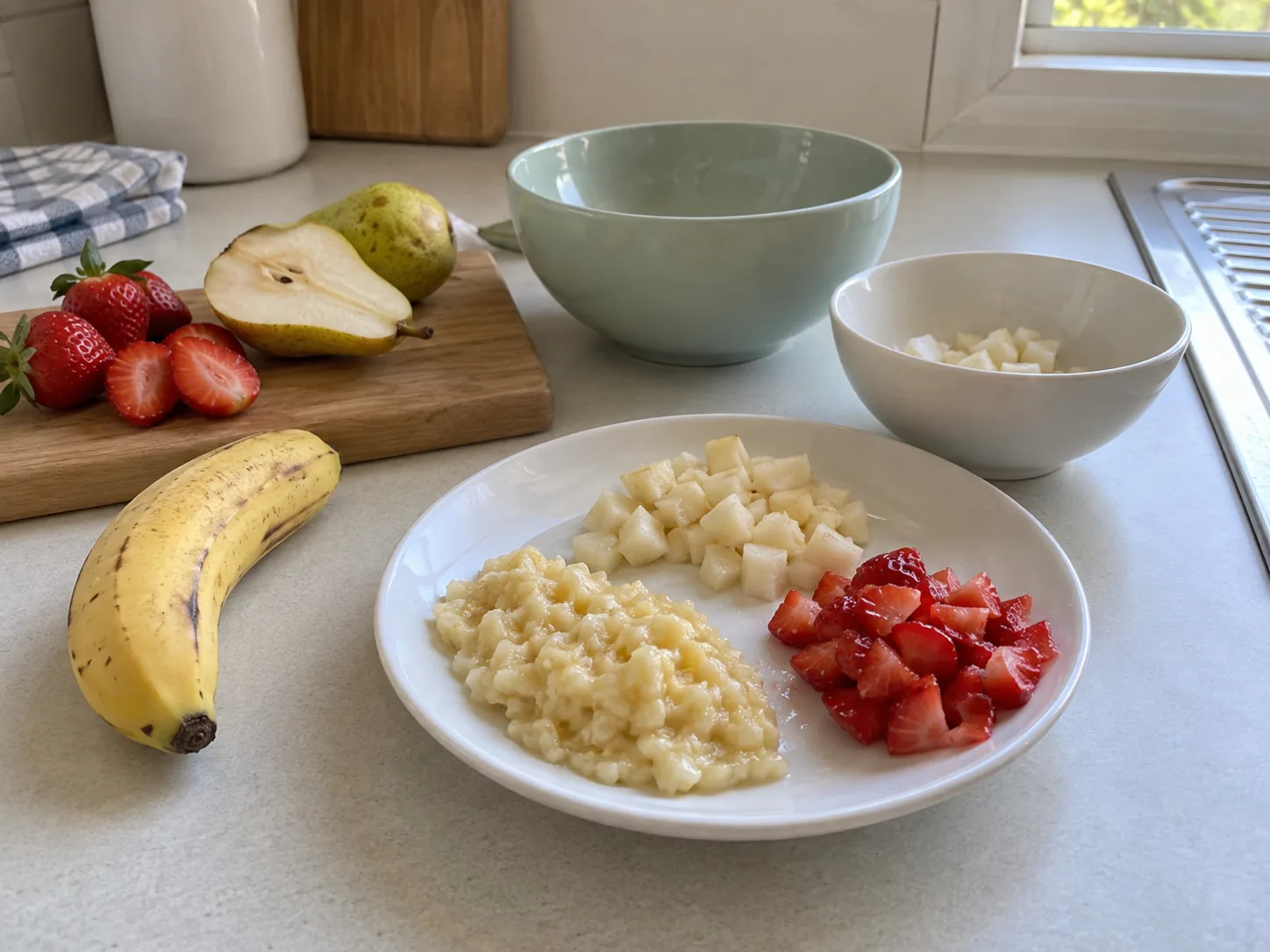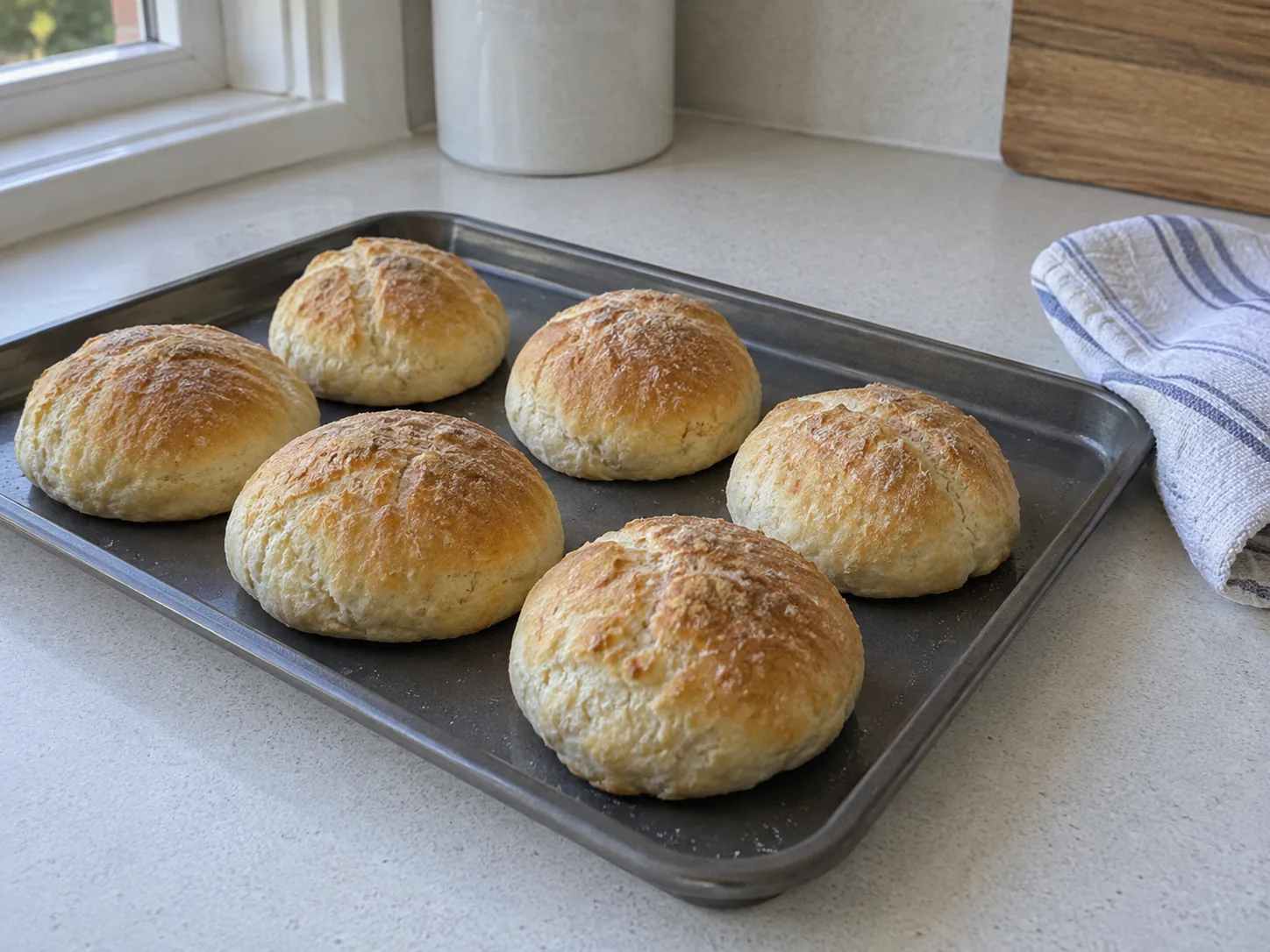
Mix · knead · notice
Cooking & sensory play →
Bread, smoothies, frozen yoghurt, playdough and more. Simple recipes for educators to review and use with children.
For Australian childcare
A baby’s bottle, a room’s lunch and an afternoon cooking activity each need different care. Queux helps your kitchen keep the right information with the work.
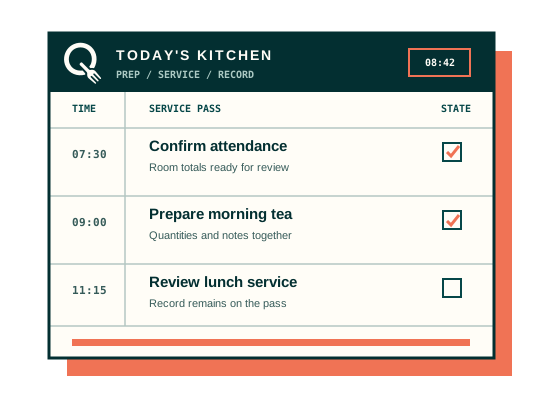
From the first room count
Keep your childcare management system. Bring the kitchen information into Queux with CSV or manual entry while a direct provider connection is assessed.
Confirm the children and staff to feed in each meal service. Keep the source and time visible so yesterday’s information does not quietly become today’s plan.
See the kitchen’s dietary and texture requirements and refer to current individual plans. Check the actual ingredients, the recipe and the final meal handover.
Use reviewed recipes, scaled quantities and a running sheet built around the times meals need to reach the rooms. Record checks and issues along the way.
Feeding the youngest children
Staff guidance covers formula and expressed breastmilk handling, textures and first foods. Keep individual feeding instructions agreed with families and relevant health professionals available to the authorised team.
Use the child’s current plan and the product’s preparation instructions. New-food introduction, managing a known allergy and clinical swallowing support require different decisions. Queux’s guides help staff understand that distinction.
When someone steps in
The next person should be able to find the current menu, dietary requirements, opening checks and handover. Pair that with a supervised introduction to the kitchen and practical learning they can revisit.
Queux stores staff learning and qualification records. The kitchen library adds short guides on label checks, cross-contamination, cleaning and handling a missing delivery item.
Good food is something to share
A kitchen library for the days you need an idea, a clear set of steps or a little more confidence. Explore small-group activities, menus for special occasions and practical reading for staff.
Every activity includes ingredients, a visual example and checks for allergies and supervision. Sensory play is clearly marked separately from food to eat.
Mix · knead · notice
Bread, smoothies, frozen yoghurt, playdough and more. Simple recipes for educators to review and use with children.
A reason to gather
Book Week, rainbow menus, Christmas, Easter and family-led cultural occasions, with room for your own community.
Someone to point you in the right direction
Allergy checks, cross-contamination, bottles, first foods and guidance for every Australian state and territory.
Generated activity illustrations. Centre meal photographs belong with the food actually prepared.
The centre’s own plan
Upload the current Food Safety Plan privately. Configure the daily records around its procedures, retain amendments and connect an issue to its follow-up. Confirm the centre’s requirements with the relevant regulator.